497: Storytelling in Business: Crafting Narratives that Drive Success with Arielle Tayar
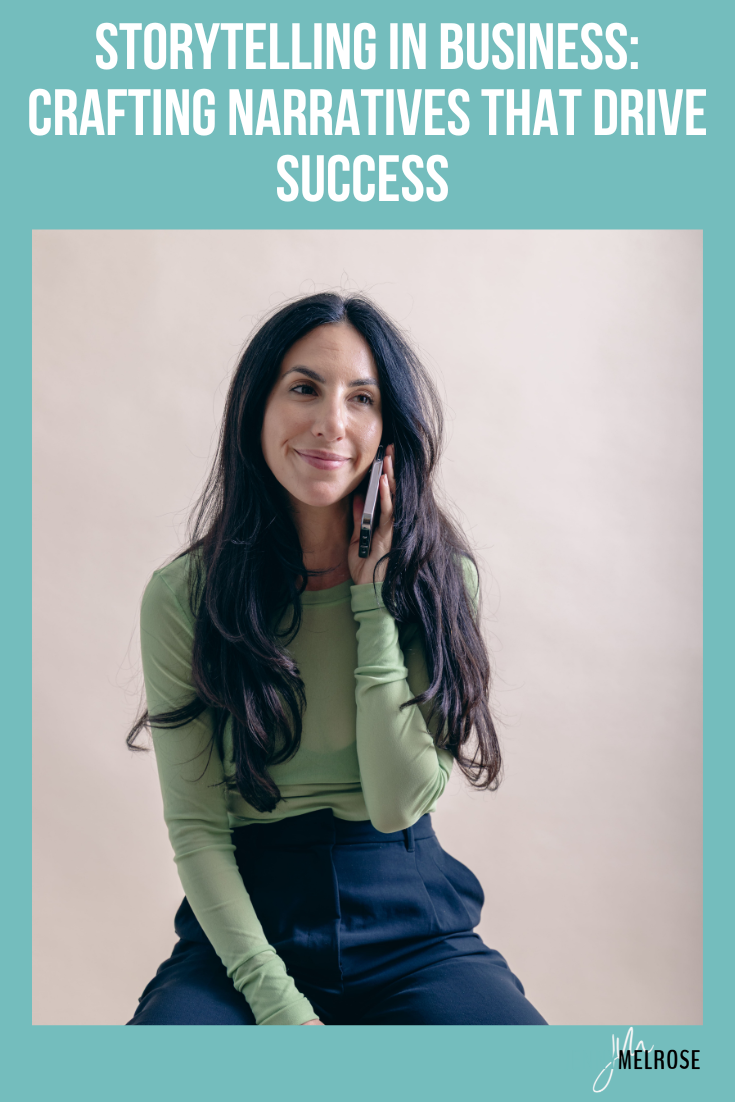
Arielle Tayar is a creative strategist and entrepreneur who brings storytelling to life across multiple industries. She leads three distinct businesses that all center around crafting meaningful, immersive experiences.
As the founder of Whip Creative Studio, she works with brands to develop compelling narratives, visual identities, and cohesive brand worlds that resonate deeply with their audience. Through Whip Productions, she curates high-end, luxury weddings that are thoughtfully designed and rooted in personal storytelling.
She also leads Banquet Experiential, the experiential marketing arm of her work, where she creates pop ups, activations, and brand experiences that invite people to step directly into a story. You can find her on Instagram.
Across all three ventures, her work is grounded in the belief that storytelling is the foundation of connection, whether in branding, events, or marketing.
Why is storytelling such a powerful tool in marketing and business growth?
Arielle explains that storytelling is deeply rooted in how humans understand and relate to the world. With a background in theater, she points out that storytelling has always been a fundamental way people process experiences, going all the way back to reenacting moments and sharing narratives.
Storytelling is not just a creative tool, it is part of how people connect.
There are even therapeutic approaches built around role playing and storytelling because of how powerful it is in helping people make sense of their experiences. That same human connection naturally carries into business.
At its core, business is simply people interacting and exchanging value. Because of that, storytelling becomes the thread that ties all of those interactions together. It allows people to relate, understand, and ultimately trust one another, which is essential for growth.
What makes a story memorable versus forgettable?
Arielle shares that the key to a memorable story is detail and nuance. The more a story can tap into the senses, the more it draws people in. Describing what something smelled like, felt like, or looked like creates a richer experience for the listener.
Adding personal elements also makes a story more engaging.
When someone shares how an experience impacted them, it becomes more relatable and endearing. People are naturally drawn to stories that feel real and human.
Jenny builds on this by highlighting how sensory details like what someone was wearing or what the weather felt like can make a story come alive. These small details help paint a picture that makes the moment feel tangible.
Arielle emphasizes that before any of that, it is essential to know your audience.
Understanding who the story is for shapes how it should be told. The details and examples should be chosen with that audience in mind so the story resonates with what matters to them.
What’s the difference between telling a personal story and telling a strategic business story?
Arielle explains that personal and strategic stories are not separate. They can and should be woven together.
A business story becomes more impactful when it includes a personal perspective or experience.
Even in a professional setting like a pitch, bringing in a personal moment or expressing genuine excitement adds depth. Sharing a real experience or how something felt makes the story more compelling and helps people connect to it.
This combination is not just storytelling, it is strategy. Speaking to people on a human level, just as you would in a personal conversation, strengthens the message and makes it more persuasive.
How do you know which stories are worth sharing?
Arielle explains that choosing the right story often comes down to instinct, but that instinct is deeply tied to understanding your audience. It requires paying close attention to how people respond.
The best storytellers are not just speaking, they are actively listening. They notice body language, tone, and whether someone is engaged or starting to lose interest.
It is not about certain stories being inherently better than others. Every audience connects with different types of stories. What matters most is how the story is delivered and whether the details are tailored to the people listening.
Jenny brings in the idea of being a guide rather than making the story about yourself. Sometimes people struggle because they overshare personal details that do not actually connect to where they are trying to lead their audience.
The key is making sure the story supports the transformation or message, not just the storyteller.
There is another simple but powerful filter. Ask whether the detail being shared is something others can relate to.
A story becomes impactful when it moves from being personal to being universal.
Arielle gives an example of someone speaking about grief. While the experience itself was unique, the speaker continually reminded the audience that the feeling was shared. That shift turned one person’s story into something the entire room could connect with.
This is where storytelling becomes powerful. Even if someone has not experienced the exact same situation, they have likely felt a similar emotion. Finding that common thread is what makes a story resonate. That is the moment where connection happens.
What’s the connection between storytelling and brand identity?
Storytelling is no longer optional when it comes to brand identity. Today, a brand is not just a visual look or logo. It is an entire world that people step into.
That world is shaped by more than just products or services. It includes values, perspectives, cultural connections, and the overall personality of the brand.
Storytelling is what brings all of those elements together and makes the brand feel alive.
This has become even more evident with the rise of social media. More brands are being built in public, often led by founders who share their journey openly.
As people watch someone build, struggle, and grow, they become emotionally invested. That investment makes them more likely to support the brand and want to be part of its success.
Arielle shares that when she works on brand strategy, she often encourages clients to involve their audience early.
This might look like hosting small gatherings, inviting feedback, or bringing people into the process before everything is fully developed. The goal is to make people feel like they are part of the story from the beginning.
When people are included in that journey, they do not just observe the brand. They become connected to it.
Arielle shares the story of a founder who built her brand by engaging directly with communities in different cities, asking questions, and creating conversations around real needs. By focusing on shared experiences and building alongside her audience, she created a strong sense of community and connection.
That is the power of storytelling within a brand. It transforms a business from something people see into something people feel part of.
Is there a framework people can use to tell better stories?
While there are definitely frameworks for storytelling, that is not how Arielle personally approaches it.
Many well known methods focus on structure, like having a clear beginning, middle, and end, along with an arc and resolution. Those frameworks can be helpful for some people, especially those who prefer a more guided approach.
However, Arielle explains that her style of storytelling is much more intuitive.
Rather than relying on a template, she focuses on being present and attuned to the person or audience in front of her. She emphasizes that strong storytelling often comes from listening more than speaking.
Even in conversation, she is paying attention to cues, observing reactions, and adjusting in real time.
Artists or DJs watch the crowd and respond to the energy in the room. That level of awareness allows the story to land in a way that feels natural and engaging.
This perspective can be, especially for those who feel pressure to follow a strict formula.
Many people become anxious when talking about their offers because they are focused on saying things the right way. Slowing down and paying attention to the person in front of them can make the process feel more natural and less like selling.
Arielle adds that it is important to remember that the person on the other side of the conversation is human too. They have their own thoughts, distractions, and emotions.
Approaching storytelling from a place of authenticity and connection is what makes it ethical and effective. Rather than focusing on getting every word right, the goal is to show up honestly, listen carefully, and respond in a way that feels human.
What elements should every effective business story include?
One of the most powerful elements of an effective business story is the ability to feel both familiar and new at the same time.
Arielle describes it as something that feels like it has always existed, yet you have never seen it before. That balance creates an immediate sense of connection.
This familiarity often comes from tapping into elements people already recognize.
That could be nostalgia, a certain visual style, a feeling, or even a rhythm that exists in the world. When a story draws on something people already feel connected to, it becomes easier for them to step into it.
At the same time, the story needs to feel fresh. It cannot simply replicate what already exists. I
t should offer a new perspective or experience while still grounding itself in something relatable. That combination is what makes a brand feel both comforting and exciting.
No business exists in isolation.
Every brand is part of a larger ecosystem where people are constantly interacting with products, messages, and experiences throughout their day. Because of that, it is important to understand where your audience is already engaging and how your story fits into that larger picture.
Nostalgia as a particularly powerful tool because it taps into emotion and sentiment. Whether it is through color, tone, or references to a certain era, those elements help create a sense of attachment.
Ultimately, an effective business story is not just about selling a product. It is about inviting people into a world they already feel connected to.
What mistakes do people make when it comes to storytelling?
One of the biggest mistakes is not listening enough. When someone focuses only on what they want to say without paying attention to their audience, the story can miss the mark entirely.
Another common mistake is inconsistency. Storytelling is not a one time effort. It requires ongoing repetition and reinforcement.
A brand needs to continuously communicate its story in a way that aligns with its core values. When that consistency is missing, it creates confusion.
People are left unsure of what the brand represents. They may not understand whether it is meant to feel luxurious or accessible, polished or casual. That lack of clarity makes it difficult for them to connect or trust the brand.
Even though this confusion may not always be consciously recognized, it is felt. It affects how people perceive and engage with the brand.
Businesses need to clearly define their core values and stay rooted in them.
While growth and evolution are natural, the foundational identity should remain steady. That consistency is what allows people to recognize, trust, and connect with the story over time.
Action Steps:
- If you liked this episode of Influencer Entrepreneurs, please subscribe and leave a fabulous review!
- Join the conversation on Instagram by tagging Jenny when you’re listening to the podcast. She’ll send you a personal message whenever you tag her.