
Learn how to choose a profitable niche without overthinking it using a simple framework to identify your strengths, attract the right audience, and build a business that can generate income.
495: How to Choose a Profitable Niche (Without Overthinking It) with Gordon Brewer
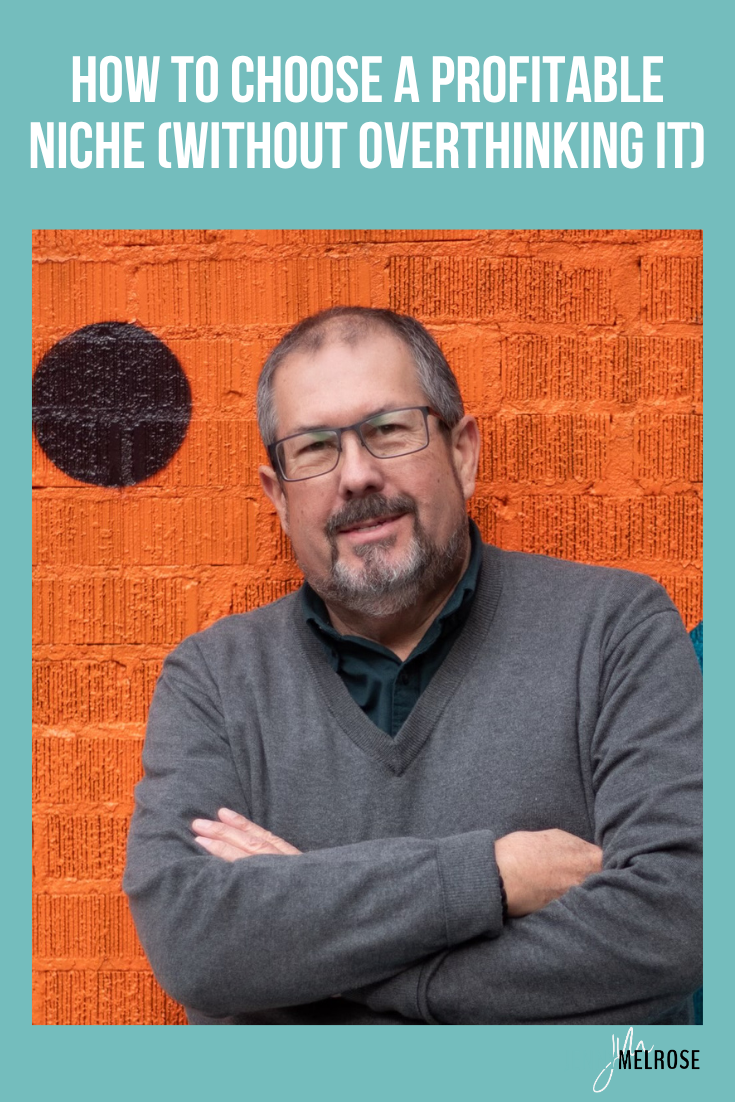
Gordon Brewer is a licensed marriage and family therapist with more than two decades of experience in private practice and the broader human services field.
Based in Kingsport, Tennessee, he owns Kingsport Counseling where he works with individuals, couples, and families navigating life transitions, relationship challenges, and emotional struggles.
On his website, he offers course and resources to help navigate the business and financial sides of running a practice.
In addition to his clinical work, Gordon is widely known as the host of The Practice of Therapy podcast, where he helps therapists and service providers better understand the business side of running a practice.
Through his podcast, consulting, and teaching, he brings practical insight to those looking to build sustainable and fulfilling practices of their own.
With nearly 25 years in private practice, Gordon combines deep clinical experience with a passion for helping others grow, both personally and professionally.
When you think about people trying to choose a niche, where do you see them getting stuck most often?
Gordon explains that many people get stuck because they feel like their niche has to be something completely unique. They spend a lot of time trying to come up with something different or original, when in reality, it does not have to be that complicated.
What matters most is choosing something they genuinely enjoy and feel passionate about.
When someone tries to force themselves into a niche that does not feel natural, it often does not work well long term.
He shares from his own experience that earlier in his career, he worked with at risk children and gained valuable experience, but realized over time that he did not actually enjoy working with kids. When he transitioned into private practice and shifted away from that population, he found himself much happier and more aligned.
Choosing a niche that feels enjoyable and meaningful not only leads to better work, but also tends to attract more referrals. When someone is engaged and passionate about what they do, it shows, and that naturally draws people in.
How does overthinking show up when someone is trying to choose a niche?
Overthinking often shows up in trying to analyze every possible factor instead of taking action. Gordon points out that it is helpful to look at both the needs in your area and your own interests.
The delivery method also plays a role. For those offering telehealth, niching down becomes even more important because the reach is broader. For those in a physical location, it can be helpful to identify what may be underserved locally.
He shares that when he started his private practice, there were very few marriage and family therapists in his area, and even fewer people who wanted to work with couples.
Since he enjoyed working with couples, that became his niche. Even though that is still a broad category, it can be refined further.
A niche can always be narrowed down more specifically. For example, instead of working with couples in general, someone might focus on couples navigating infidelity, trauma, or co parenting after divorce. There are many ways to take a general area and make it more focused.
Jenny adds that this clarity makes it much easier to create content and speak directly to the problems people are experiencing. When the niche is clear, it becomes easier for the right clients to recognize themselves and feel confident that they are in the right place.
What actually makes a niche “profitable”?
Gordon explains that profitability comes down to a few key factors. One of the most important is the ability to clearly communicate how you help people with a specific problem. When the message is clear, it becomes easier for potential clients to understand the value and seek out those services.
A more focused niche creates a smaller, more targeted group of people, but those people are often more motivated to find help. Instead of casting a wide net, the approach becomes more intentional, which can lead to stronger referrals and better alignment with clients.
Profitability is also influenced by how a practice is structured, whether it is insurance based or private pay, but at its core, it comes down to demand. The more people who are actively seeking help for a specific problem, the more opportunity there is for that niche to be profitable.
Ultimately, a profitable niche is not about being the most unique. It is about finding the intersection between what you enjoy, what people need, and how clearly you can communicate the solution.
Is it better to go broad or specific when you’re starting out?
Gordon explains that going too broad in the beginning makes it very difficult to stand out. That is why he encourages niching down as early as possible.
When someone tries to appeal to everyone, their message becomes diluted, and it is harder for potential clients to recognize that they are the right fit.
Getting specific allows someone to clearly communicate who they help and how they help them.
For example, instead of broadly working with depression, it could look like supporting single moms with depression or helping people navigate anxiety during major life transitions. That level of clarity makes marketing much more effective because the message speaks directly to a defined group of people.
Jenny adds that this applies across all service based businesses, not just therapy. When someone becomes known for specific language and problems they solve, it becomes much easier for others to find and refer them.
Whether someone is searching online or asking for recommendations, clear positioning helps people quickly identify the right person.
When it comes to growth, Gordon notes that staying rooted in a niche does not limit opportunities. In fact, the opposite often happens. He shares an example of a cardiologist friend who is known for a specific specialty, yet people still go to him with a wide range of medical questions because they trust his expertise.
The same concept of specific niching applies in business. Even when someone focuses on a niche, they will naturally attract people outside of that exact category.
Over time, related sub niches often emerge without needing to force them. Jenny points out that while there is always an ideal client in mind, there will also be unexpected clients who resonate with the work, and that is a natural part of growth.
How can someone validate that their niche will actually lead to paying clients?
Gordon shares that validation does not have to be overly complicated. One of the simplest ways is to start by talking to colleagues and others in the field. Asking what they are seeing, what problems are coming up frequently, and where there may be gaps in services can provide valuable insight into demand.
Paying attention to conversations happening in everyday spaces also matters. While Gordon does not recommend relying entirely on social media because of how algorithms shape what is seen, it can still offer helpful clues.
Observing what people are talking about, what concerns are being shared, and what challenges keep coming up can point to real needs.
Looking at the questions people are asking is especially valuable. Those questions reveal what people are actively seeking help with, which makes them a strong indicator of demand.
When someone creates content based on what people are already asking, it naturally attracts the right audience. Instead of guessing what might work, they are responding to real needs, which increases the likelihood of connecting with people who are ready to become clients.
What are the biggest mistakes people make when choosing a niche?
One of the biggest mistakes is choosing a niche that you simply do not enjoy. It can be tempting to chase what may like a good opportunity or something that appears to be in demand, but if there is no genuine interest or passion, it becomes very difficult to sustain over time.
He explains that forcing yourself into a niche just because it’s profitable will likely lead to frustration.
Even if there is demand, not enjoying the work will eventually catch up with you.
Another common mistake is choosing a niche purely for the money. While profitability matters, it should not be the only driver.
If someone is not energized by the people they serve or the problems they solve, it will show in their work and ultimately affect their success.
What signals should someone look for to know their niche is viable?
Gordon points out that feedback is one of the clearest indicators. Listening to what people are saying, both inside and outside of sessions, can reveal whether a niche is resonating.
Referrals are another strong signal. When current or former clients are recommending you to others, it often means there is a clear need being met.
That kind of organic growth is a powerful validation that the niche is not only working but also in demand.
He emphasizes paying attention to patterns in conversations, feedback from clients, and what people consistently seek help with. Those signals provide real world confirmation that the niche is viable.
If someone feels stuck on choosing a niche, what’s the one thing they should do today?
Gordon encourages starting with the clients you already enjoy working with the most. Think about the ones you genuinely look forward to seeing and identify the common themes in their challenges and needs. That is often where the clearest direction begins to emerge.
He also suggests noticing what you find yourself repeating in sessions. When the same explanations or guidance come up again and again, it is a clue.
Those repeated conversations highlight areas of expertise that may feel second nature to you but are highly valuable to others.
Another practical step is to look at your current caseload and map out the problems you are addressing. By identifying the common thread across those cases, it becomes much easier to see where a niche could naturally form.
Jenny adds that these repeated themes can go beyond just client work. They can also point to opportunities for creating additional resources like workshops or products. Instead of repeating the same information over and over, you can package it in a way that serves both your clients and your business more effectively.
At the end of the day, clarity often comes from paying attention to what is already happening right in front of you.
Free: Private Practice Start Up Guide
This 23 page book is designed as a clear, practical starting point for anyone considering launching their own practice. It is a short, easy to follow mini book of that walks through the essential steps to think about before getting started.
The guide is not meant to be overwhelming or overly complex. Instead, it provides a straightforward overview of what to expect and how to begin preparing.
It helps readers understand the key decisions they will need to make, the areas they should plan for, and the foundational pieces required to build a private practice.
Inside, there are also helpful resources and links that point readers in the right direction, making it easier to take the next step with confidence. It serves as a roadmap for those who may feel unsure where to begin, offering clarity and structure in a process that can otherwise feel unclear.
Jenny highlights how valuable this kind of resource can be, especially for those who have the desire to start a private practice but have never been shown what that path actually looks like. It gives a clear sense of direction, helping people move from idea to action with a better understanding of what comes next. Grab your free copy here.
Action Steps:
- If you liked this episode of Influencer Entrepreneurs, please subscribe and leave a fabulous review!
- Join the conversation on Instagram by tagging Jenny when you’re listening to the podcast. She’ll send you a personal message whenever you tag her.