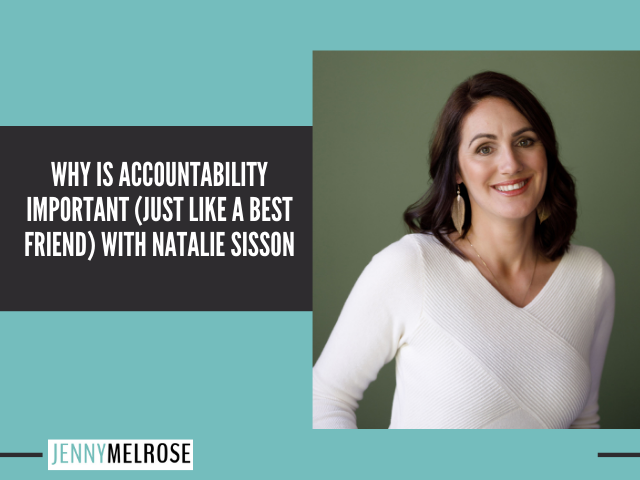
Feeling stuck in your business? Learn why accountability is essential for entrepreneurs and how the right support system drives momentum and results.
Why is Accountability Important (Just Like a Best Friend) with Natalie Sisson
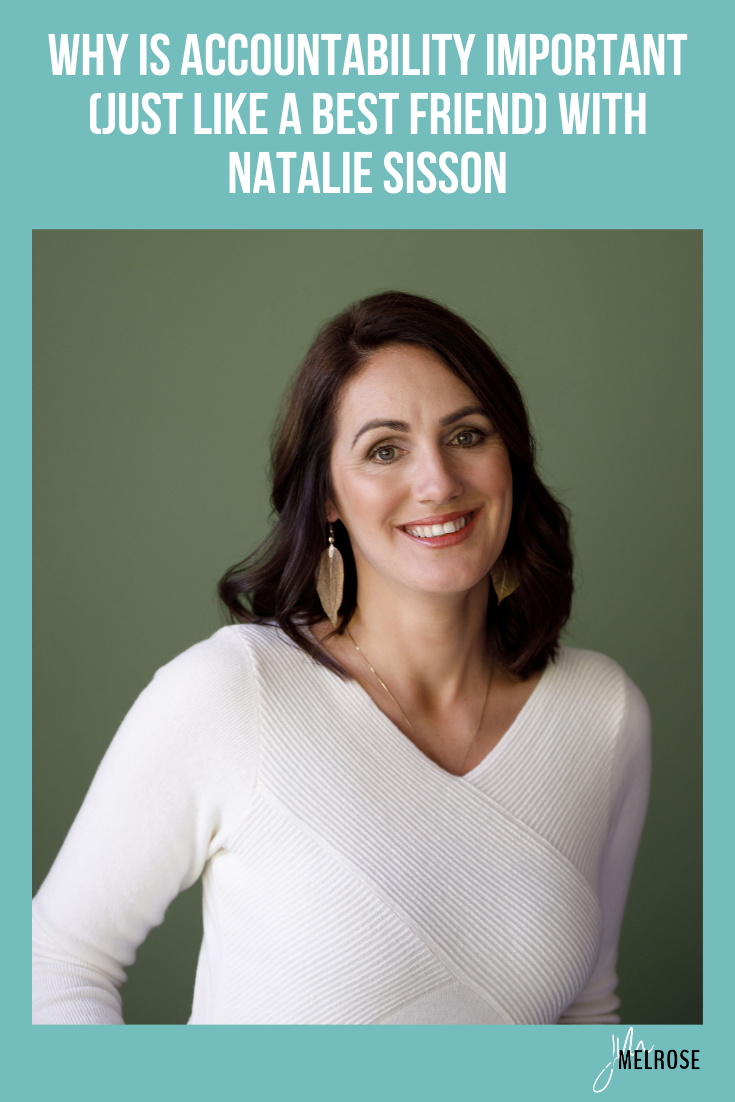
Natalie Sisson is joining the conversation from the other side of the world in Aotearoa, New Zealand.
She has been in business for fifteen years, starting her journey by blogging and interviewing women entrepreneurs. the Founder of the $10K Club, LifePilot methodology, host of the LifePilot Podcast, 3 X No#1 Bestselling Author and TEDx speaker.
At the time, she had co founded a tech company and kept noticing a gap.
She wanted to know where the other female founders were, how they were succeeding, where they were finding support, and how they were staying accountable. That curiosity became the foundation for everything she built next.
Those early interviews evolved into digital products, online courses, webinars, book launches, and speaking opportunities. Over time, Natalie experienced multi six figure launches and built a strong presence in the online space.
Watching the industry evolve over the last five years has been fascinating for her, especially as many of the people she once taught are now doing the work even better than before. She sees that as a win, even when it challenges her to continue growing and adapting.
Throughout all of it, coaching has remained at the heart of her work. She loves the one on one connection, helping clients move past mindset blocks, gain clarity, and have those strategic aha moments where the path forward suddenly becomes clear.
Recently, her life has shifted in beautiful ways. She got married, became a mother, and entered a season she describes as a rebirth.
That season has prompted deeper questions about what matters most, how she wants her business to function, and how it can support the lifestyle she truly wants.
Natalie describes herself as a freedomist. She believes a business should thrive within the amount of time someone wants to work and support an ideal lifestyle, not consume it.
Today, that philosophy shapes how she supports women entrepreneurs around the world.
When You Hear the Word Accountability, What Do Most People Get Wrong About It?
For many people, accountability sounds intimidating. Natalie often hears that it feels like a massive commitment or something that requires extreme discipline.
Others assume it means someone constantly checking in on them, like a personal trainer pushing them to exhaustion.
There is also a perception that accountability must be expensive or time consuming, which causes hesitation before people ever experience it.
From Natalie’s perspective, these assumptions usually come from people who have not experienced accountability in a healthy and supportive way.
True accountability is not about pressure or punishment. It is about partnership.
When done well, it creates momentum, clarity, and follow through.
Having an accountability partner, a group, or a community can be a complete game changer. It helps people stay true to their goals and accomplish things they may never have followed through on alone.
Why Is It So Easy for Entrepreneurs to Get Stuck or Stalled When They’re Working Alone?
Entrepreneurs often get stuck because they are not accountable to anyone else.
Even though many business owners work independently, Natalie believes humans are not designed to operate entirely on their own.
While she considers herself a solopreneur with a small team, she intentionally surrounds herself with other entrepreneurs through communities, memberships, and mentorships.
When challenges happen in isolation, they can feel overwhelming and deeply personal. A failed launch, low engagement, or a tough day can spiral quickly when there is no one to share it with.
The moment those struggles are spoken out loud to others who understand the journey, perspective shifts. Entrepreneurs realize they are not alone and that many of their challenges are common experiences.
Sharing the load creates clarity faster. Conversations spark insight. Support brings renewed energy.
Natalie notices that entrepreneurs often convince themselves they are the only ones dealing with certain problems, when in reality, those problems are part of running a business.
Simply talking things through with someone who gets it can unlock momentum and confidence.
Jenny agrees, sharing that whenever she feels stuck or plateaued, finding community through masterminds or groups helps her move forward.
Entrepreneurship can be lonely, and having people to bounce ideas off of provides reassurance and direction. Hearing that others are facing similar struggles or have found solutions can make it easier to take the next step.
Natalie offers a powerful example from her own experience. While participating in a mentorship, she saw someone share openly about membership retention and attrition rates. Reading real numbers and real experiences sparked an immediate realization.
People come and go in memberships, even healthy ones, and that is normal. What might feel personal is often simply part of how communities function.
Seeing others talk honestly about their data helped her step out of her own head and approach her business with more clarity and grace.
Being part of something larger than yourself, whether it is a mentorship, mastermind, or community, helps entrepreneurs move past isolation and into sustainable growth.
What Are Some Signs Someone Thinks They’re Fine Solo But Actually Needs Accountability?
Many entrepreneurs believe they are managing just fine on their own, but Natalie sees some clear patterns that suggest otherwise.
One common sign is constantly overstretching. This often looks like trying to do too much at once, launching multiple things, creating endless content, and attempting to show up as everything to everyone without a clear benchmark for what is realistically possible in a given week.
While Natalie fully supports failure as part of growth, she also sees how this constant pushing can happen without clarity or direction.
On the opposite end, some entrepreneurs fall into procrastination disguised as productivity.
They stay busy with backend systems, operations, and preparation work, telling themselves they are making progress, while nothing is actually moving forward. In isolation, it becomes easy to focus on tasks that feel productive but do not align with what truly matters.
Without accountability, entrepreneurs can end up working on the wrong things, avoiding the work that would actually create growth, or losing sight of what they originally said was important.
This is where masterminds, coaches, and accountability partners become so valuable. An outside perspective can quickly spot misalignment and ask the hard but necessary questions.
- Why are you working on this?
- Is this really the priority right now?
- Are you hiding in busy work, or do you actually need rest and space to reset?
Jenny adds that overwhelm is another clear sign. When there are too many plates spinning, important things start slipping.
Missed details, forgotten commitments, and mental overload can spiral into self doubt. She describes this as an overwhelm spiral, where entrepreneurs begin questioning themselves, their decisions, and their direction.
That is often the moment when accountability is most needed to help break the cycle and regain clarity.
Natalie also highlights the power of accountability through a simple but powerful statistic. Having a goal alone only slightly increases the chance of achieving it.
Sharing that goal with someone else dramatically improves the odds. But when someone commits to an accountability partner, the likelihood of following through jumps to nearly certain.
She sees this play out every week in her Life Pilot community, where members share their goals live, receive support and thoughtful questions, and return the following week having followed through.
Accountability works not just in business, but across life as a whole. Once a goal is shared, it becomes a commitment beyond just yourself.
What Does Accountability Look Like When It’s Supportive Instead of Pressure Filled?
Supportive accountability is rooted in encouragement, clarity, and understanding how someone works best.
Natalie believes accountability should feel like someone walking alongside you, not standing over you. At its best, it starts with revisiting the intention that was set and asking thoughtful questions.
- How are you feeling about this goal?
- What support do you need this week?
- How would you like me to check in with you?
Sometimes supportive accountability means helping someone slow down and break things into manageable steps. Other times it means gently pointing out that something might not be the best use of time right now.
Over time, strong accountability partners get to know each other well enough to recognize patterns, call out blind spots, and help shift approaches when the same obstacles keep showing up.
Jenny notes how important it is to understand what motivates each person.
Some people thrive when pushed, others respond better to encouragement. Some are motivated by accomplishment or impact rather than money.
Accountability works best when it aligns with what actually drives someone, both personally and professionally.
Natalie agrees, adding that many people do not fully understand their own motivations until someone helps reflect them back.
For some, service and impact are the biggest drivers. For others, measurable results and financial goals are deeply motivating.
Looking back at past experiences can offer insight into what has driven success before and how to apply that understanding to current business goals.
Where Are the Best Places to Find an Accountability Partner or Group?
Accountability can be found in many places, and Natalie emphasizes that there is no one right way to create it.
One option is investing in a mastermind, membership, or structured accountability group that aligns with where someone is in their business. These environments offer both learning and consistent support.
Other times, accountability relationships form naturally. Conferences, events, and networking spaces often bring people together who share similar values and energy. When there is a natural connection, simply asking can open the door.
Accountability does not have to be complicated. It might look like meeting weekly, biweekly, or monthly to talk through plans, energy levels, and priorities.
Natalie believes the most important qualities in an accountability partner are consistency and follow through.
Whether the relationship is local or global, what matters most is having someone who shows up, checks in, and asks whether you did what you said you would do.
Supportive accountability is built on presence, communication, and the willingness to walk the journey together.
Do Personalities Make a Difference in Accountability Partnerships?
Personality absolutely plays a role in effective accountability, even if it is not something most people formally assess at the start.
Natalie explains that while she has never asked a potential accountability partner about their Myers-Briggs type or DISC profile outright, discernment still matters. Different goals often require different kinds of people.
For example, accountability around health and fitness may call for someone who is naturally consistent, disciplined, and reliable.
Being around someone who always shows up at the gym or sticks to their routine can create momentum for someone who struggles with consistency.
In business, however, the ideal accountability partner might look very different.
That person may be more experienced, more established, or someone whose decision-making, confidence, and behavior reflect the direction you want to grow toward.
Natalie also points out that accountability does not have to come from one person alone.
Different areas of life may require different types of accountability partners.
If habits have not changed for a long time, it may be time for a more direct, no-nonsense personality who will challenge excuses and push for action.
In contrast, if someone is overly self-critical or already performing well but needs reassurance and perspective, a more empathetic and supportive partner may be the better fit.
Jenny shares that this is why groups often work so well for her personally. Groups naturally bring together multiple personality types—strategists, cheerleaders, challengers, and encouragers.
On some days, accountability requires a push. On others, it requires compassion.
Having access to different strengths within a group allows people to receive exactly what they need in the moment, which helps maintain momentum and emotional balance over time.
Why Does Who You’re Accountable To Matter Just as Much as Accountability Itself?
Natalie believes that accountability is ultimately built on integrity and mutual commitment. If someone consistently shows up for others but does not follow through on their own goals, it can create doubt about whether they are the right accountability partner.
Accountability is an agreement, not just a check-in. Both people need to be invested in their own growth as well as each other’s.
She emphasizes that accountability does not always have to be perfectly reciprocal.
In paid settings like masterminds or coaching relationships, the exchange naturally looks different. However, when accountability is peer-based, it becomes important to observe whether the other person demonstrates commitment, follow-through, and belief in themselves.
Integrity is one of Natalie’s highest values, and she looks for it consistently in accountability relationships.
A strong accountability partner is not a coach or a therapist, but someone who helps keep goals visible, calls out blind spots, checks in regularly, and encourages forward motion.
Over time—usually within one to three months—it becomes clear whether the relationship is effective.
Some accountability partnerships last for years because both people continue to show up and evolve together. Others naturally need to be refreshed as goals shift or familiarity replaces momentum.
Natalie also highlights the importance of surrounding yourself with a variety of people. Different personalities, levels of success, strategies, and perspectives help prevent isolation and stagnation.
Accountability is not just about productivity—it is about staying connected, energized, and grounded while building a business and a life.
Jenny adds that this belief is one of the reasons she created in-person retreats.
While virtual accountability through Zoom or voice messages is valuable, there is something uniquely powerful about being in the same room with people you have been building alongside. In-person experiences often re-energize both individuals and groups, strengthening relationships and renewing focus on shared goals.
How a Life Audit Supports Accountability and Alignment
Natalie closes by sharing her Life Audit, a reflective tool designed to help entrepreneurs assess where they truly are across all areas of life.
Rather than separating business from personal well-being, the audit looks at growth, stagnation, relationships, health, and overall fulfillment.
She believes that life and business are deeply interconnected. Improvements in health, longevity, and energy directly affect leadership capacity, confidence, resilience, and creativity.
When someone feels stronger and more aligned in their personal life, they naturally show up better as a coach, business owner, partner, parent, and friend.
The Life Audit functions much like an accountability partner by asking honest questions and offering clarity about where someone is thriving and where they may be off track.
It concludes with practical resources and next steps, helping individuals move forward with greater intention and support.
At its core, the audit reinforces the same message Natalie returns to throughout the conversation: growth does not happen in isolation. Whether through accountability partners, groups, retreats, or self-reflection tools, meaningful progress comes from awareness, connection, and aligned support.
Action Steps:
- If you liked this episode of Influencer Entrepreneurs, please subscribe and leave a fabulous review!
- Join the conversation on Instagram by tagging Jenny when you’re listening to the podcast. She’ll send you a personal message whenever you tag her.