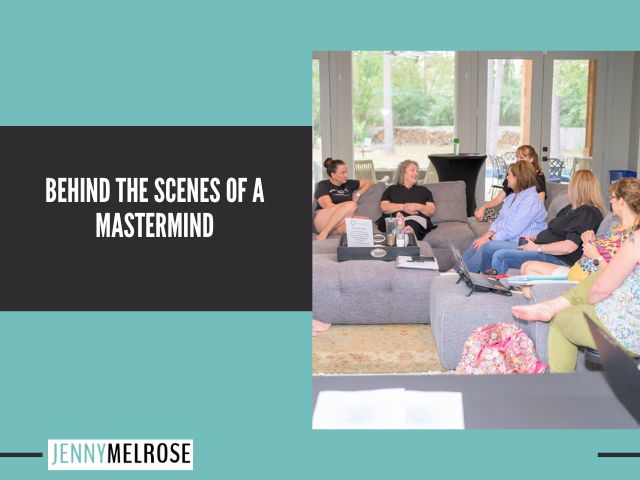
Go behind the scenes of a high-level mastermind and discover how entrepreneurs collaborate, problem-solve, and accelerate growth together.
Learn what really happens in the room, why masterminds work, and how joining one can transform your business strategy.
IE 476: Behind the Scenes of a Mastermind
What a Mastermind Really Is
Masterminds are often treated like a buzzword, yet the true engine of their impact is structure, accountability, and a room full of complementary strengths.
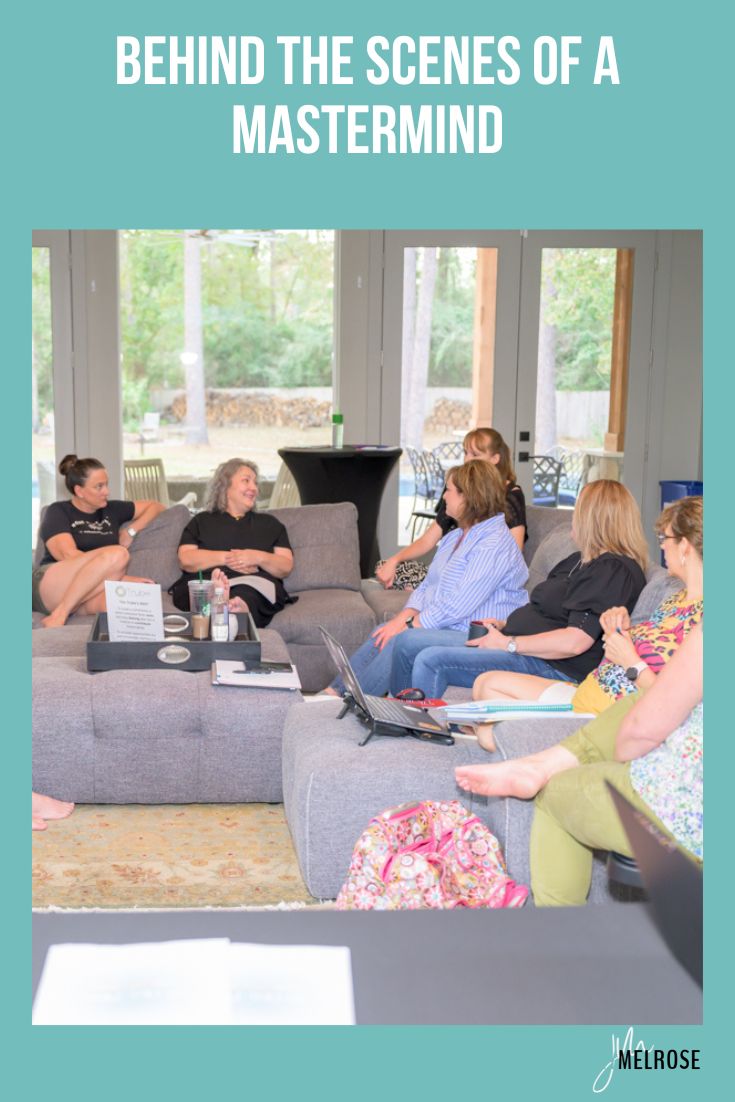
In our program, we curate a small group of six women for six months, meeting three times per month with two hot seats per call.
That cadence creates consistency, and consistency creates results.
We look beyond vague motivation and design the room intentionally: a strong YouTuber beside a funnel pro, a copy expert beside a numbers geek.
Diversity of strengths exposes blind spots and accelerates learning.
When the group is selected for fit and balance, the energy shifts from noise to clarity.
People stop guessing alone and start solving together with precision.
The Structure Inside the Mastermind
The hot seat is the heartbeat.
It isn’t a spotlight for performance; it’s a focused problem-solving session with a narrow question and measurable next steps.
Some hot seats sound simple such as choosing the right lead magnet for a product launch, but simplicity hides leverage.
Others go deep into funnel metrics: conversion rates by step, drop-off inside the cart, and whether the economics work.
We normalize data, not drama, and use questions to surface the real constraint.
A good facilitator ensures no one drowns in options.
We bring the group back to the business model:
What drives revenue? What should happen next week? Where does the strategy fail without numbers?
Real Results & Transformations
Over five to six years and nearly twenty groups, a pattern emerges: the right room compounds results.
One member crossed seven figures in a year.
Another turned stage talks into organizational training that prioritizes mental health for police departments and therapists.
Many launched products they’d sat on for years, not because they learned a new hack but because they had peers to push, cheer, and refine.
Progress thrives when strengths and struggles are different.
You borrow courage, you lend expertise, and the mix creates movement.
That diversity is strategic if everyone shares the same weakness, no one advances; if everyone shares the same strength, no one grows.
The Power of the Room
Structure matters.
We run 60-minute sessions with a crisp rhythm.
We review tasks tied to six-month goals, split into two 90-day plans that translate vision into weekly execution.
We log wins in a shared spreadsheet, from small milestones to banner achievements, so momentum is visible and celebrated.
Then we dive into two hot seats, typically 20 to 25 minutes each, guided by questions that turn fog into a plan.
We end with a short open floor for stuck points and fast feedback.
Outside the call, a private community extends the work so ideas do not die between meetings.
That continuity is the secret sauce: a loop of commit, act, report, refine.
What It’s Like to Be Inside
Accountability is not pressure for pressure’s sake; it’s alignment.
The group tracks what you said you would do and helps you face why you didn’t.
Sometimes the blocker is a missing asset, sometimes fear, sometimes a metric you refuse to measure.
We ask better questions: What would make this easy?
What data would change your mind? What is the smallest test that proves the next step?
Measured action replaces endless planning. As tasks stack, identity shifts so you become the person who ships, learns, iterates, and sells.
How to Know If You’re Ready for a Mastermind
Who thrives here?
Owners who crave consistent growth, who are done guessing alone, and who welcome straight talk tied to revenue.
You bring a skill to share and a gap to close.
You commit to the cadence, honor the group, and show your numbers.
If the idea of a hot seat makes you nervous, that’s a sign you’re ready; discomfort is the door to clarity.
The right people, the right questions, and the right rhythm can turn your goals into results you can count.